




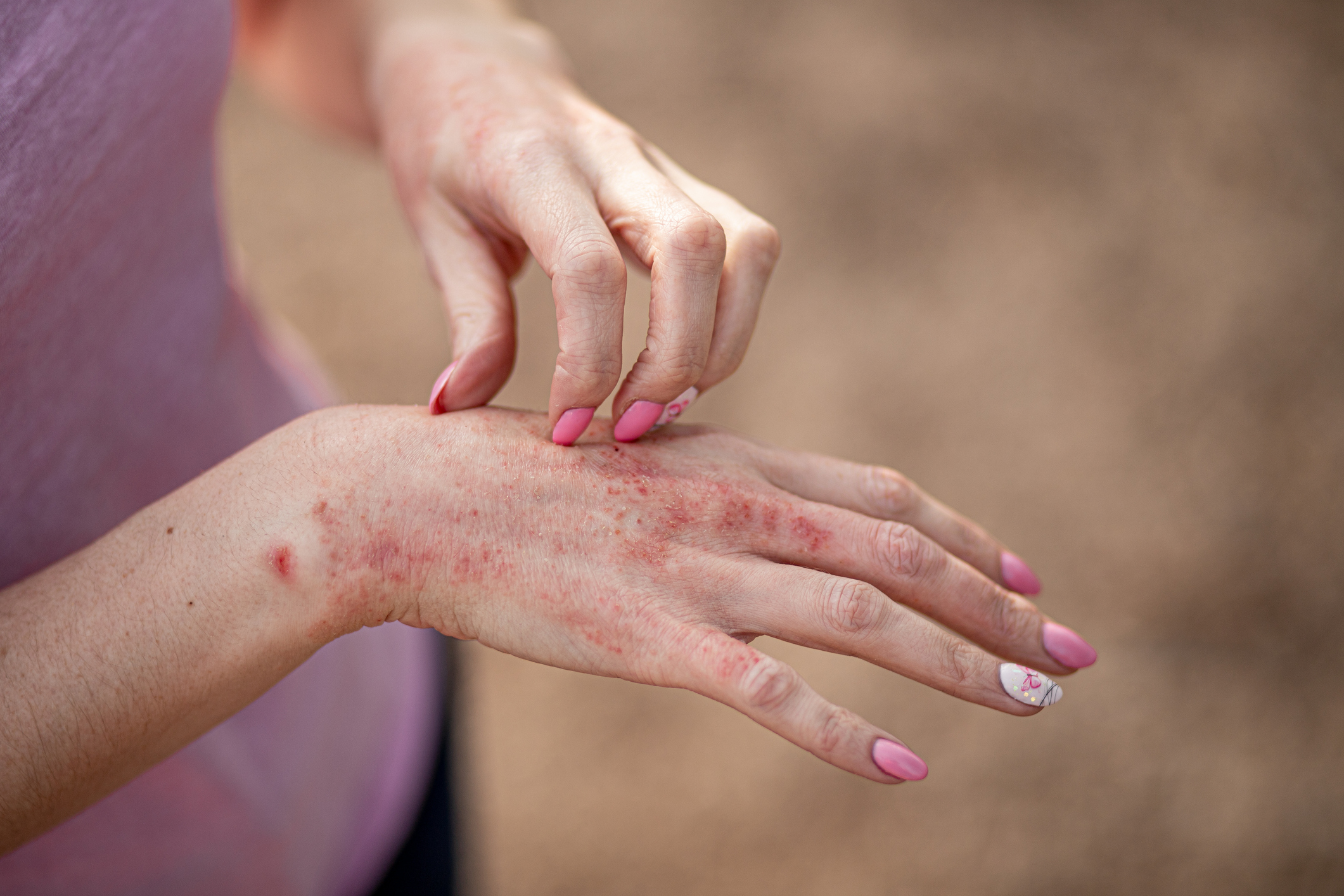
Hand dermatitis is a growing concern across healthcare and other hygiene-critical industries. As handwashing, disinfectant use and prolonged glove wear increase, so does the strain on skin. For many workers, these essential practices contribute to irritation, discomfort and long-term damage.
Why Hand Dermatitis Is Rising
Hand dermatitis is one of the most common occupational skin conditions, causing:
- Redness and inflammation
- Itching and irritation
- Dryness and cracking
Frequent exposure to water, known as wet work, along with disinfectants and extended glove use, are key triggers. Research from Current Allergy and Asthma Reports, identifies wet work as a primary risk factor.
Recent data highlights the scale of the issue. A study in Safety and Health at Work found rates of hand dermatitis among healthcare workers have increased from around 21 percent pre-pandemic to more than 37 percent.
A Challenge Across Multiple Industries
While often associated with hospitals, occupational dermatitis affects a wide range of sectors, including:
- Aged care
- Laboratories
- Food processing
- Manufacturing
- Beauty services
In these environments, gloves are essential but can contribute to skin barrier damage when worn for extended periods.
The Role of Colloidal Oatmeal
Colloidal oatmeal is recognised for its ability to support compromised skin. It contains:
- Avenanthramides, which help reduce inflammation
- Beta glucan, which supports hydration and repair
- Antioxidants, which help protect the skin
Research shows these components can reduce irritation, improve moisture levels and support skin recovery.
GloveOn COATS, Supporting Skin During Wear
GloveOn COATS incorporates colloidal oatmeal into the glove lining through the Colloidal Oatmeal Active Therapeutic System.
Key benefits include:
- A protective barrier between skin and glove material
- Support for moisture retention during extended wear
- Reduced friction and irritation
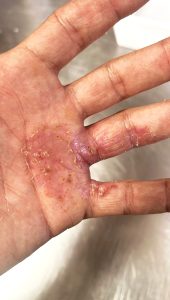
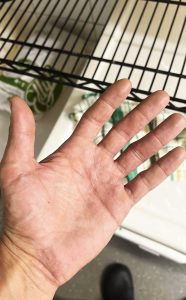
The range is endorsed by the *Eczema Association of Australia following independent testing with individuals with sensitive or eczema-prone skin.
| Before
|
After
*Results after 4 weeks. Individual results may vary. |
Reducing Dermatitis Risk at Work
Experts recommend a combined approach:
- Use gentle cleansing and dry hands thoroughly
- Apply moisturiser regularly
- Choose gloves designed to support skin health
- Educate workers on early symptoms
A Smarter Approach to Skin Protection
As hygiene demands remain high, protecting skin health is essential. Solutions like GloveOn COATS help bridge the gap between protection and care, supporting workers who rely on gloves every day.
References
Jeevasunthari Gunasegaran, T.E.H. Ying-Ying, L.I.M. Chin-Keong, & N.G. Shiow-Fern. (2024). Review On Prevalence, Risk Factors, And Research Advancements On The Use Of Medical Gloves Concerning Hand Dermatitis Among Healthcare Workers. Safety and Health at Work. https://doi.org/10.1016/j.shaw.2024.02.005
Karagounis, T. K., & Cohen, D. E. (2023). Occupational Hand Dermatitis. Current Allergy and Asthma Reports, 23(4), 1–12. https://doi.org/10.1007/s11882-023-01070-5